Grease traps and local food service businesses
Dunwoody adopted FOG regulations of its own, and the city says it will exercise its authority over the sizing, location and maintenance of grease traps inside its limits. They cover wastewater or waste containing grease that goes into the county sewer, and DeKalb's Commercial FOG Program requires participation by applicable food service establishments connected to its system.
Perimeter Mall is the second-largest mall in Georgia. Dunwoody's code requires exterior interceptors to be maintained every 90 days and interior ones every 30. If your kitchen is in Dunwoody, ask the landlord which kind of unit you have, then book grease interceptor pumping on the matching cycle.
Grease trap services in Dunwoody, GA
Grease Trap Pumping
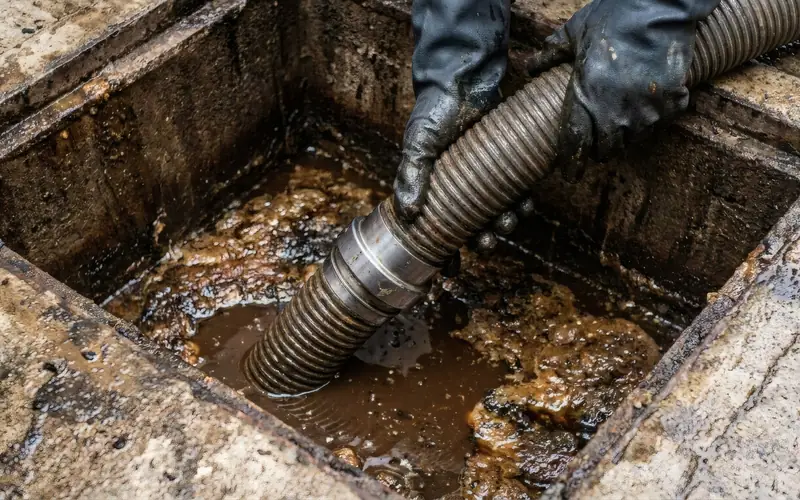
Dunwoody's code requires interior FOG interceptors to be maintained every 30 days and forbids in-house cleaning of them. Small Dunwoody kitchens with under-counter units should book grease trap pumping every four weeks and keep each manifest in the logbook. Put the dates on the calendar for the whole year.
Grease Trap Cleaning
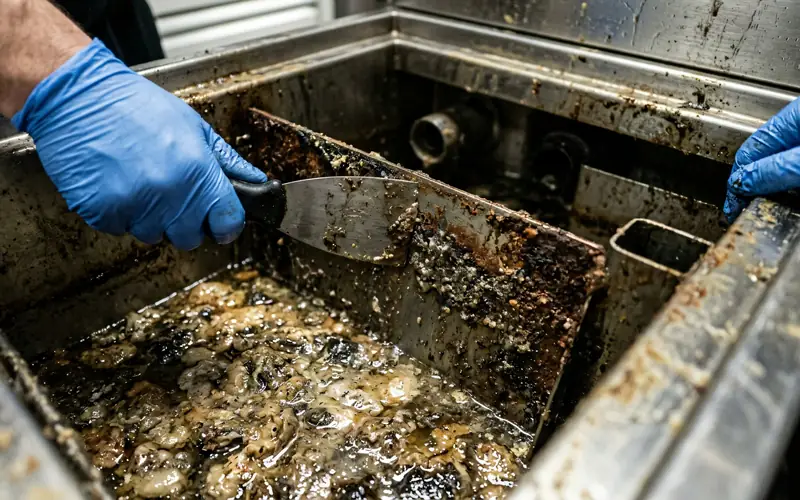
Dunwoody's code requires FOG in an interceptor to stay below 20 percent of its operating depth. Large batches for events and catering push a kitchen toward that line fast. Schedule grease trap cleaning before and after big cooking days, and keep every manifest where the inspector can see it.
Grease Interceptor Cleaning
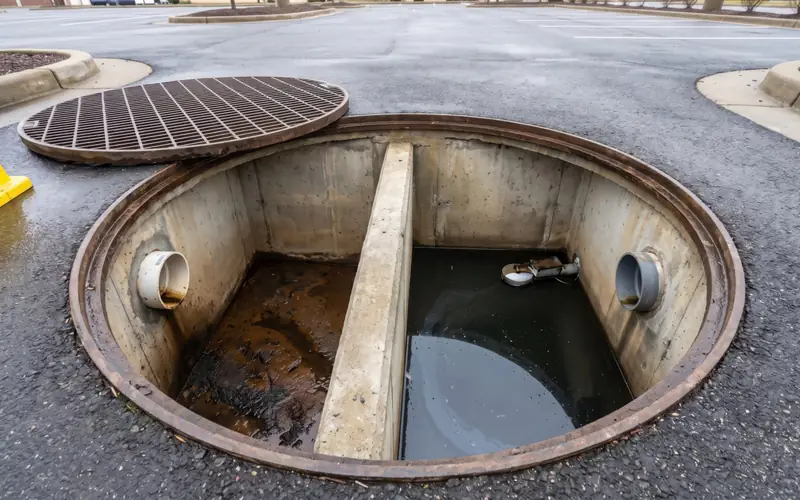
Mechanical FOG interceptors are prohibited in Dunwoody, and the city's code covers the material and maintenance of grease traps. If you are fitting out a new kitchen, confirm the unit type before you sign off on the plumbing, then book grease interceptor cleaning on a regular schedule.
Grease Interceptor Pumping
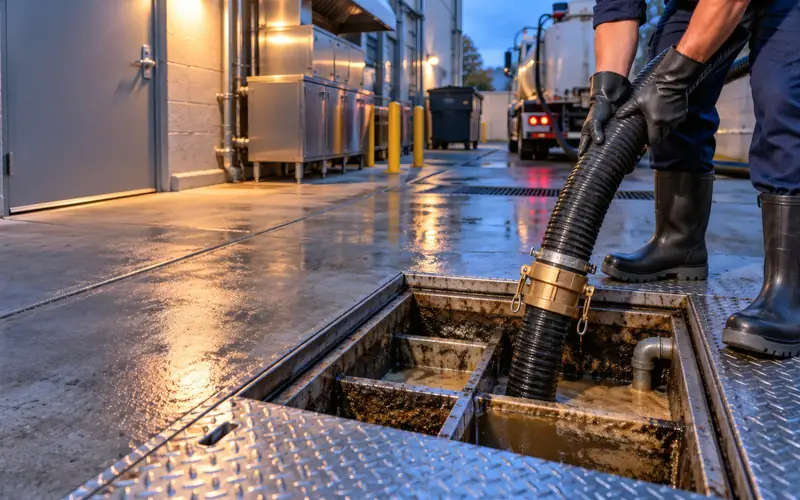
Dunwoody's code requires exterior FOG interceptors to be maintained at least every 90 days, with no skimming. Ask for a full grease interceptor pumping each visit, and check the date of the last manifest when you take over a space. A missed quarter is easy to inherit from the previous tenant.
What to Have Ready When You Call
A few details can help the service provider assess your needs and discuss the right appointment.
- Your service address and ZIP code.
- Whether you have an indoor grease trap or an outdoor interceptor.
- The unit’s size, if known.
- Approximately when it was last pumped.
- Any backup, odors, slow drainage, or inspection deadline.
- The number of units or locations needing service.
Share what you know. You do not need every detail before calling.
Local grease trap rules
Dunwoody has its own FOG code, and the city says it will exercise its authority over the sizing, location and maintenance of grease traps inside its limits. Exterior interceptors must be maintained at least every 90 days and interior ones every 30 days, and the FOG compliance inspector can change a kitchen's cleaning cycle at any time.
Nearby service areas
The same number reaches providers serving nearby areas. Businesses with more than one location can call once per site and enter each ZIP code.
Common grease trap questions
Does Dunwoody have its own grease rules?
Yes. Dunwoody has its own FOG regulations, which apply to discharges into the county sewer system. DeKalb's Commercial FOG Program also requires participation by applicable food service establishments connected to its system.
How do I start a FOG permit inside Dunwoody?
Get a routing sheet from the city first, so DeKalb Watershed Management can assess the FOG application.
Can I add enzymes to my Dunwoody interceptor?
No. Dunwoody's code prohibits putting additives such as enzymes, bacteria or degreasing agents into a FOG interceptor.
Who will I be speaking to when I call?
After the ZIP-code prompt, you will speak with an independent service provider serving your area. You can discuss the work, confirm pricing and availability, and book directly with that company. This website helps connect callers with service providers; it does not perform the cleaning.